
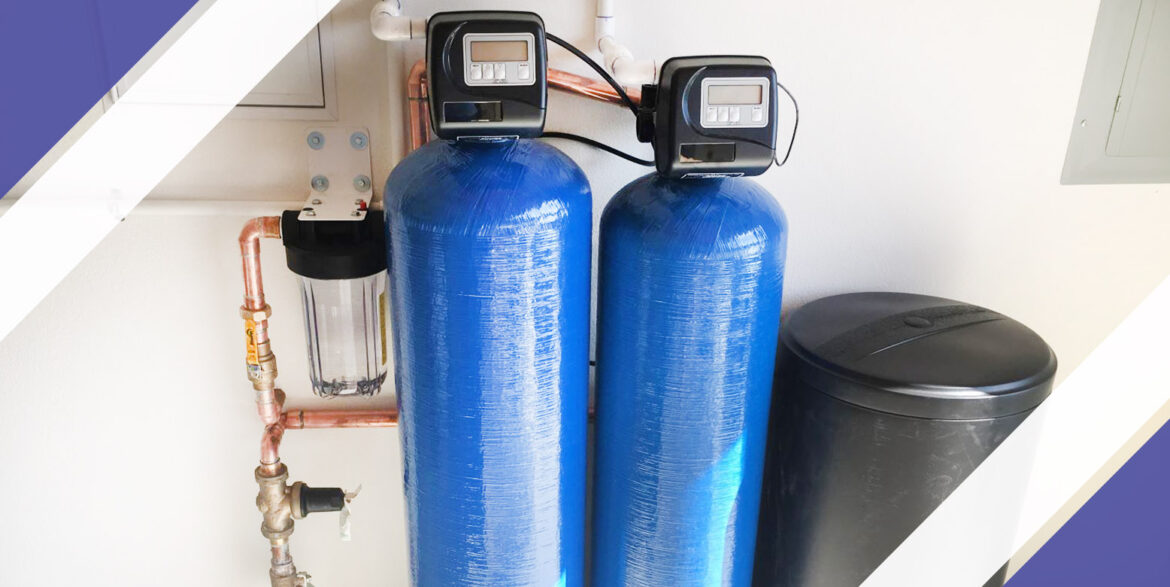
How to Choose a Water Filtration System in Orange County
Water quality in Orange County varies more than most homeowners expect. While municipal water meets safety standards, it often contains chlorine, chloramines, hardness minerals, and dissolved solids that impact taste, fixtures, and long-term system performance.
What many don’t realize is that water conditions can change significantly even between nearby cities.
For example:
-Newport Beach and San Clemente commonly see hardness levels in the range of 18–24 grains per gallon — considered very hard water.
-Irvine, by comparison, often has noticeably lower hardness levels, depending on the specific zone and supply blend.
This variation is why choosing the right system is not about picking equipment—it’s about designing for your specific location.
Start with Your Water, Not the Equipment
Every proper filtration system begins with testing.
In Orange County, common water characteristics include:
- Chlorine or chloramines (disinfection byproducts)
- Hardness (scale buildup on fixtures and appliances)
- Elevated TDS (total dissolved solids)
- Occasional iron or sediment depending on location
Without testing, system selection becomes guesswork.
With testing, the system can be built around actual water chemistry.
Understand the Difference: Filtration vs. Softening
This is where most confusion happens.
Carbon Filtration (Whole House):
- Removes chlorine, chloramines, and odors
- Improves taste and water clarity
- Protects plumbing and fixtures
Water Softener:
- Removes hardness (calcium & magnesium)
- Prevents scale buildup
- Extends lifespan of water heaters, valves, and fixtures
👉 In areas like Newport Beach and San Clemente, where hardness can reach 20+ grains, a properly sized softener is not optional—it’s essential.
👉 In areas like Irvine, softer water may still benefit from conditioning, but system sizing and regeneration settings can be very different.
Flow Rate Matters More Than People Think
A system is only as good as its ability to keep up with your home.
Typical issues we see:
- Undersized systems causing pressure drop
- Channeling in carbon tanks due to low or inconsistent flow
- Softener capacity mismatched to household demand
For example:
- A 2 cu ft catalytic carbon tank (12×52) is typically suited for ~8–10 GPM peak
- Larger homes or multi-bath layouts may require larger or parallel systems
Designing for real peak demand, not just average use, is critical.
Catalytic Carbon vs. Standard Carbon
Not all filtration media performs the same.
Standard Carbon:
- Effective for chlorine
- Limited with chloramines
Catalytic Carbon:
- Designed to break down chloramines
- Performs significantly better in municipal systems
👉 Since most Orange County cities have chloramines, catalytic carbon is typically the correct choice.
System Configuration Matters
A proper setup is more than just tanks:
- Correct backwash rates
- Proper drain sizing
- Bypass and serviceability
- Pre-filtration where needed
- Programming based on real usage
Even high-end equipment will underperform if these details are overlooked.
Don’t Overlook Drinking Water
Whole house filtration improves water quality, but it does not reduce TDS.
For drinking water:
Reverse Osmosis (RO):
- Removes dissolved solids
- Provides clean, consistent and safe drinking water
- Installed at the kitchen or dedicated faucet
👉 This is typically the final step in a complete system.
Design Over Products
There is no “one-size-fits-all” system.
The right solution depends on:
- Water chemistry (which varies across OC)
- Home size and layout
- Fixture count and peak demand
- Performance expectations
At Pro Filtration, systems are designed—not selected from a catalog.
Serving Orange County
We design and install water filtration systems across Orange County, including:
Rancho Santa Margarita, Mission Viejo, Lake Forest, Irvine, Newport Beach, San Clemente, Laguna Niguel, Dana Point, and surrounding areas.
Request Water Testing
If you’re considering a system, start with testing.
From there, everything else becomes clear.
https://pro-filtration.net/contact-us-water-needs-profiltration/
Leave a Reply