
PFAS in Drinking Water: What You Need to Know
PFAS (per- and polyfluoroalkyl substances), often called “forever chemicals,” are becoming a major concern in drinking water across the United States—including parts of Orange County.
These compounds do not break down easily and can remain in water supplies and the human body for years.
What Are PFAS?
PFAS are a group of man-made chemicals used in products like:
- Non-stick cookware
- Water-resistant fabrics
- Food packaging
- Firefighting foams
Because of their resistance to heat and chemicals, PFAS persist in the environment—hence the term “forever chemicals.”
Why PFAS Matter
Studies have linked long-term exposure to PFAS with potential health concerns, including:
- Hormonal disruption
- Immune system effects
- Increased cholesterol levels
- Potential increased risk of certain cancers
Regulations are evolving, and acceptable limits are becoming stricter as more research emerges.
Are PFAS Present in Orange County Water?
PFAS have been detected in various water systems throughout California, including Southern California regions.
Even when levels are within current guidelines, many homeowners choose to reduce exposure as much as possible.
How to Reduce PFAS in Your Water
Standard water softeners do NOT remove PFAS.
Effective treatment options include:
Reverse Osmosis (RO)
- Highly effective for drinking water
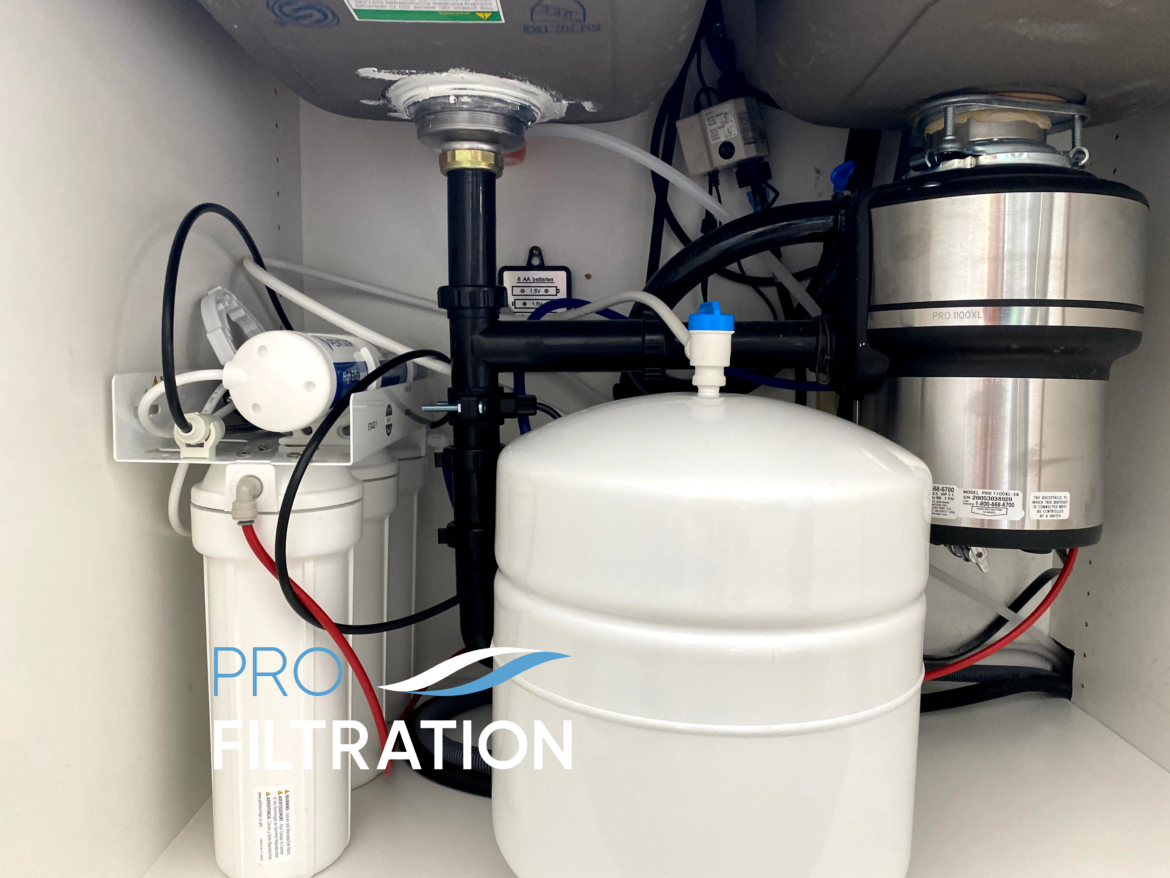
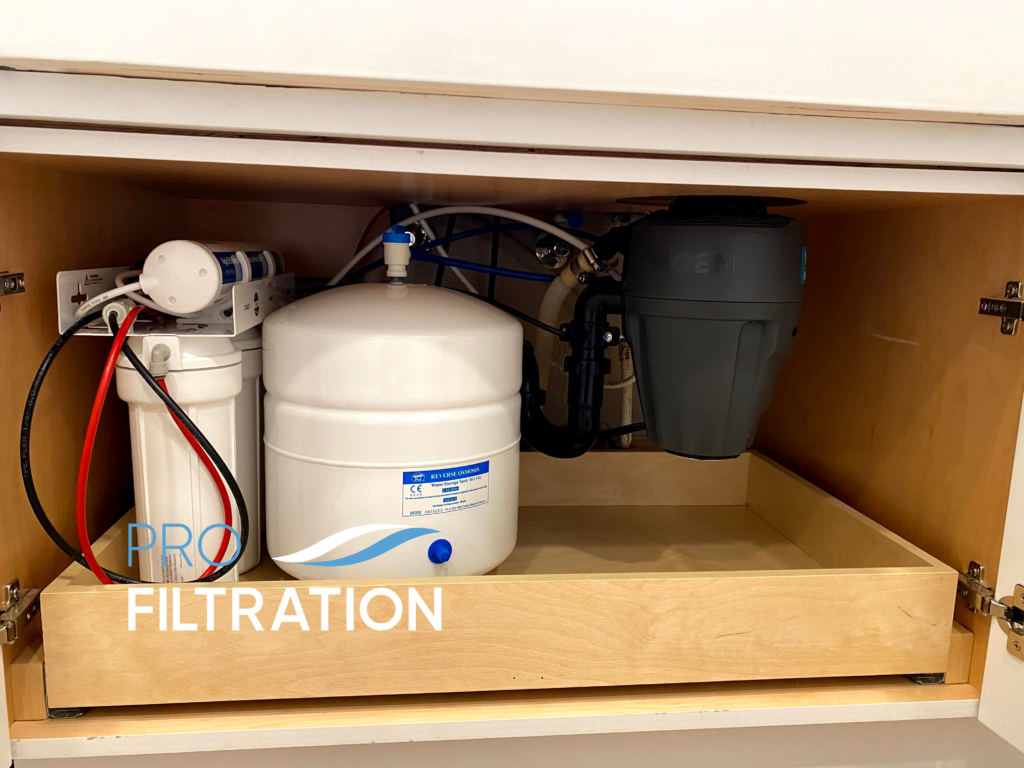
- Typically installed under the kitchen sink
- Removes a wide range of contaminants, including PFAS
Catalytic Carbon Filtration
- Helps reduce PFAS at the whole-house level
- Also improves taste and removes chlorine and organics
Multi-Stage Systems
- Combining carbon + RO provides more complete protection
Whole House vs Drinking Water Protection
- Whole House Filtration: Reduces exposure during showering, washing, and general use
- Reverse Osmosis: Provides the highest level of purification for drinking and cooking
A properly designed system often includes both.
System Design Matters
Not all filtration systems are equal.
Key factors include:
- Correct media selection (NSF-certified components)
- Proper sizing based on flow rate and demand
- Real water testing—not assumptions
Final Thoughts
PFAS are an emerging concern, and awareness is growing.
While municipal treatment continues to improve, many homeowners choose to take control of their water quality at the point of use.
If you’re concerned about PFAS or overall water quality, we can help evaluate your water and recommend a system designed specifically for your home and usage.
Pro Filtration specializes in custom water treatment solutions across Orange County—based on real data, not guesswork.
Leave a Reply